Corporate gift baskets are the edible equivalent of a firm handshake—polished, thoughtful, and, when done right, unforgettable. Yet the moment you https://writeablog.net/merlenswuu/where-to-find-reusable-wine-hamper-baskets-australia add artisanal cheeses, truffle‑infused chocolates, and fresh fruit to a beautifully arranged basket, a hidden challenge appears: keeping those delicacies safe from spoilage, contamination, and the dreaded “mystery smell.” This guide walks you through the essential steps to guarantee that every bite is as safe as it is sumptuous, without turning your kitchen into a forensic lab.
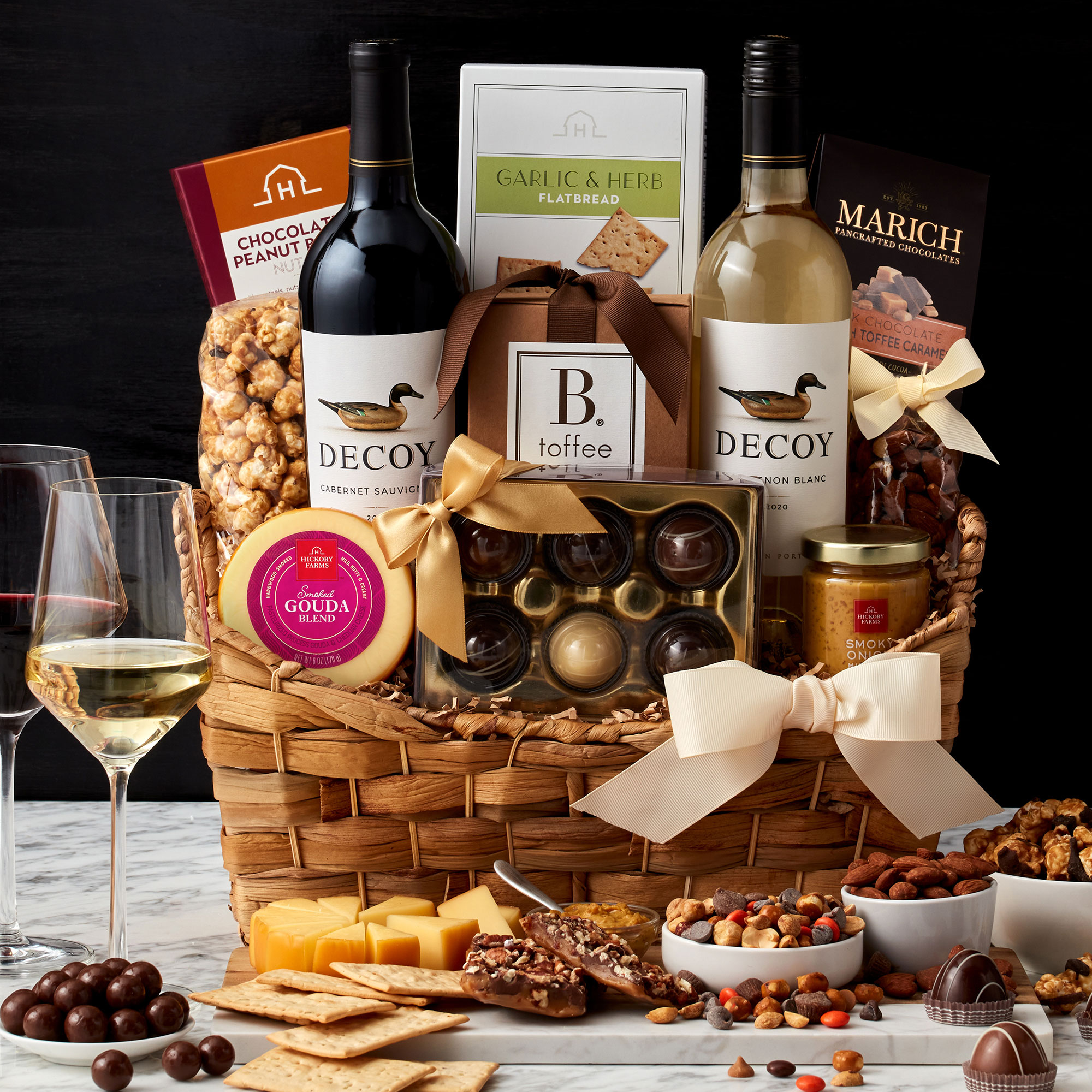
Understanding the Risks of Gourmet Gift Baskets
When you think of a gourmet basket, you probably picture glossy ribbons and premium products, not bacterial growth. However, the combination of perishable items, varied temperature requirements, and multiple handling points creates a perfect storm for food‑borne hazards.
- Perishable vs. non‑perishable: Fresh berries, smoked salmon, and soft cheeses need refrigeration, while nuts, dried fruits, and crackers can tolerate room temperature. Cross‑contamination: A single slice of ham that touches a contaminated cutting board can jeopardize the entire basket.
Is it possible to enjoy a lavish presentation without worrying about safety? Absolutely—if you respect the science behind it.
Sourcing Safe Ingredients
Vetting Suppliers
The first line of defense is a trustworthy supplier. Ask for evidence of Good Manufacturing Practices (GMP) and any relevant food safety certifications (e.g., SQF, BRC). A reputable vendor will gladly share audit reports, because a clean record is their best marketing material.
> “Quality is never an accident; it is always the result of high intention, sincere effort, intelligent direction, and skillful execution.” – William A. Foster
Checking Certifications
Look for the following on product labels:

- USDA Organic or Certified Organic seals for produce HACCP (Hazard Analysis Critical Control Points) compliance for processed foods “Best‑by” dates that are realistic, not just a marketing gimmick
An anecdote from a boutique gift company illustrates the payoff: they once received a batch of artisanal goat cheese that lacked proper temperature logs. The team rejected the lot, saved the client from a potential recall, and earned a reputation for uncompromising safety—proof that diligence pays off.
Packaging Practices That Preserve Freshness
Even the safest ingredients can go rogue if packaging is sloppy. Think of your basket as a tiny, mobile kitchen; it needs the right containers, insulation, and barriers to keep everything in its prime.
- Separate compartments: Use food‑grade dividers to prevent moisture from dripping onto crackers or nuts. Barrier films: Wrap cheese wedges in parchment or wax paper before placing them in the basket; this reduces exposure to air and microbes. Insulated liners: A thin layer of insulated foam or a reusable cooler bag can act as a thermal blanket for chilled items.
These steps are akin to a tightrope walker balancing on a thin wire—each element must be precisely placed, or the whole act collapses.
Temperature Control From Kitchen to Doorstep
Cold Chain Logistics
Maintaining the “cold chain” is non‑negotiable for items like smoked salmon or fresh berries. Coordinate with a courier that offers refrigerated transport, or use a third‑party service specializing in perishable deliveries.
Ice Packs and Insulated Containers
If a refrigerated carrier isn’t feasible, supplement with gel ice packs and insulated boxes. Position the packs around the most temperature‑sensitive items, not just at the bottom where they’ll melt unnoticed.
- Layering technique: Place a pack at the base, then a layer of bubble wrap, followed by the product, and repeat as needed. Temperature indicators: Include a simple stick‑on thermometer label; it lets the recipient verify that the goods stayed within safe limits.
Rhetorical question: Would you trust a hot cup of coffee left in a snowstorm? The same logic applies to chilled delicacies left in a warm truck.
Labeling, Documentation, and Legal Compliance
Clear, accurate labeling does more than satisfy regulations; it builds confidence. Every basket should feature:
- Ingredient list: Include allergens in bold (e.g., nuts, dairy, shellfish) to avoid accidental exposure. Storage instructions: “Refrigerate within 2 hours of receipt; consume within 5 days.” Contact information: A phone number or email for the sender, in case the recipient notices an issue.
Keeping a digital log of batch numbers, supplier certificates, and delivery timestamps also streamlines any future trace‑back investigations—think of it as a safety net under a high‑wire act.
Training Your Team (and Having a Little Fun)
Even the best processes crumble without people who understand them. Conduct short, engaging training sessions that cover:
- Proper hand‑washing and glove use Sanitizing surfaces before handling delicate items Recognizing signs of spoilage (off‑smell, discoloration, slime)
Add a dash of humor: award a “Food Safety Ninja” badge to the employee who identifies the most potential hazards during a mock inspection. A lighthearted approach keeps morale high while reinforcing critical habits.
The Perfect Gift Awaits
Now that you’ve mastered the art and science of safe gourmet gifting, you’re ready to turn every basket into a celebration of both taste and trust. Remember:
- Choose vetted suppliers and verify certifications. Pack intelligently, using separators, barrier films, and insulation. Preserve the cold chain with reliable carriers, ice packs, and temperature indicators. Label clearly, document thoroughly, and train your staff with a smile.
When you send a basket that arrives fresh, flavorful, and safe, you’re not just delivering food—you’re delivering Visit the website peace of mind. Ready to elevate your corporate gifting game? Reach out to a food‑safe packaging specialist today and let your next basket be the talk of the boardroom—for all the right reasons.